Fake discount or real discount? How to recognise an honest deal on refurbished Apple
In mid-November the internet is full of crossed-out prices. The Consumentenbond warns every year about misleading discounts on refurbished phones, and rightly so: a 'was price' that never really applied is not a discount. Here is how to see through it, and how we do it.
Three tricks to recognise
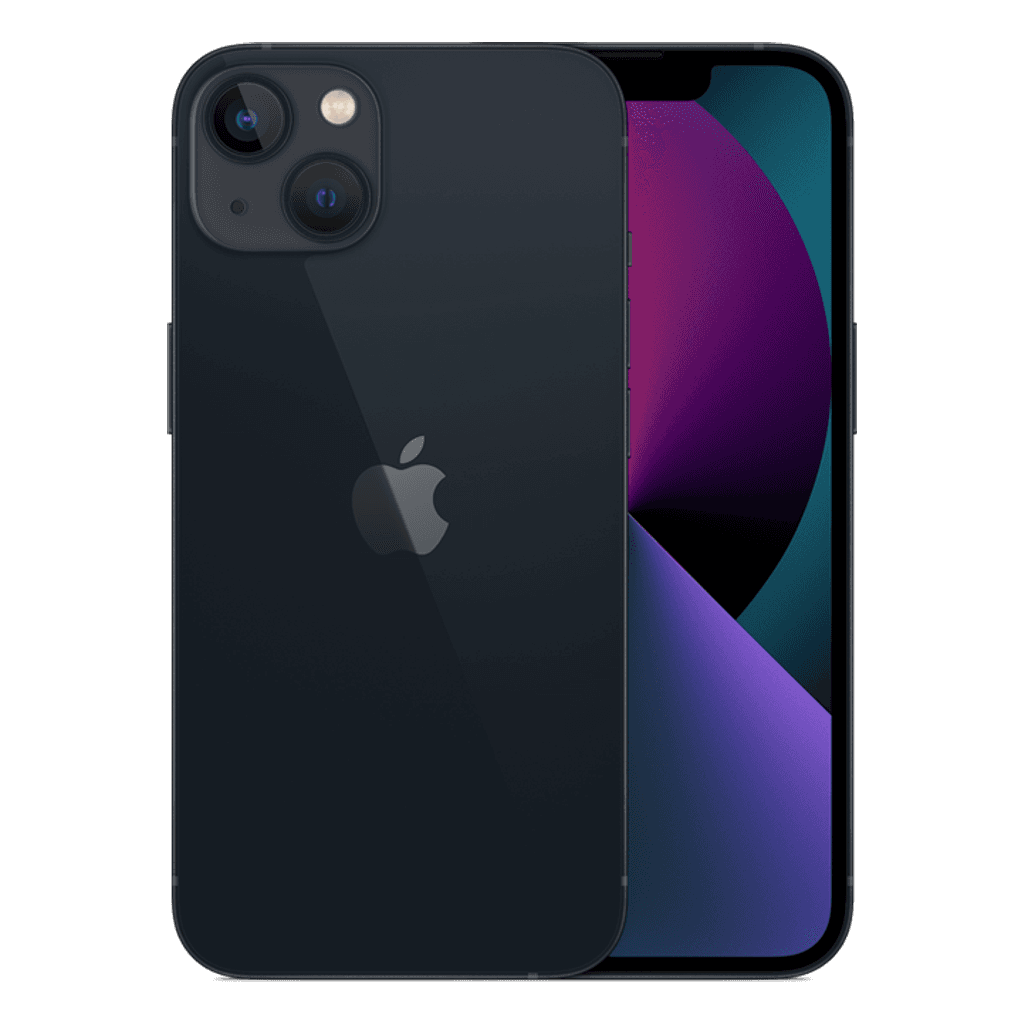
One: the was price is the new price from years ago. An iPhone 13 'from € 909' is nowhere that expensive new today; compare with what a comparable device costs now. Two: the discount only applies to the most expensive condition or the smallest storage, while the configuration you want simply has the normal price. Three: a 'temporary' deal that comes back every week. Since 2023, a shop must use the lowest price of the previous thirty days as the reference for a discount; ask for it if it isn't shown.
How we do it
A crossed-out price with us is the price that the same configuration really had in the preceding weeks. Our new price next to it is the current price from Apple or a large shop, not the launch price. If one colour is cheaper, like the Air M2 in Midnight right now, it says so, and that the other colours have the regular price. And our seasonal codes are deliberately modest: a fixed amount above a threshold, on top of prices that are already fair, instead of prices that first go up in order to then 'drop'.
So what you should compare
The same chip, the same memory, the same storage, the same condition, and then the total price including shipping and including what you get in warranty and time to change your mind. A 3-year warranty is quickly worth a hundred euros on an € 800 laptop compared with one year. A small discount on a fair price is worth more than a big discount on an inflated price.