eSIM or physical SIM card: what to choose with a refurbished iPhone?
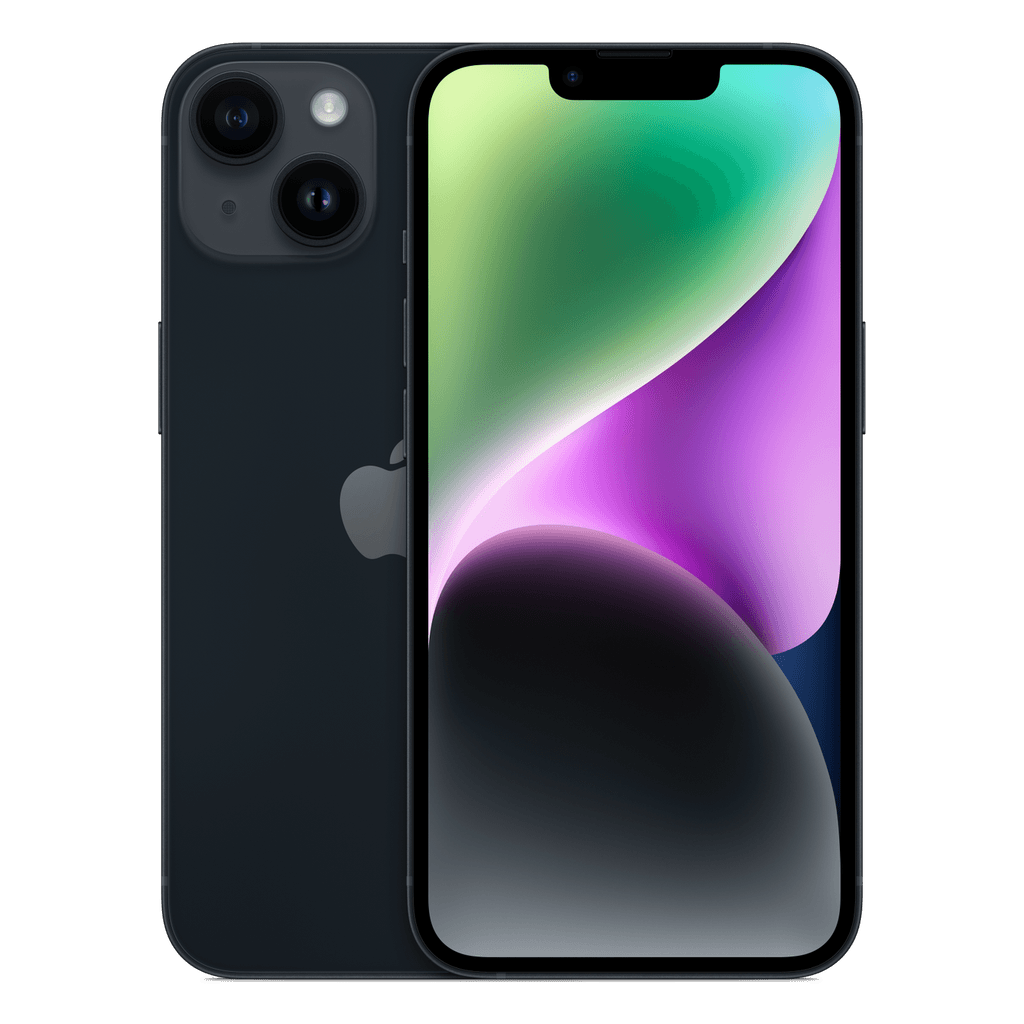
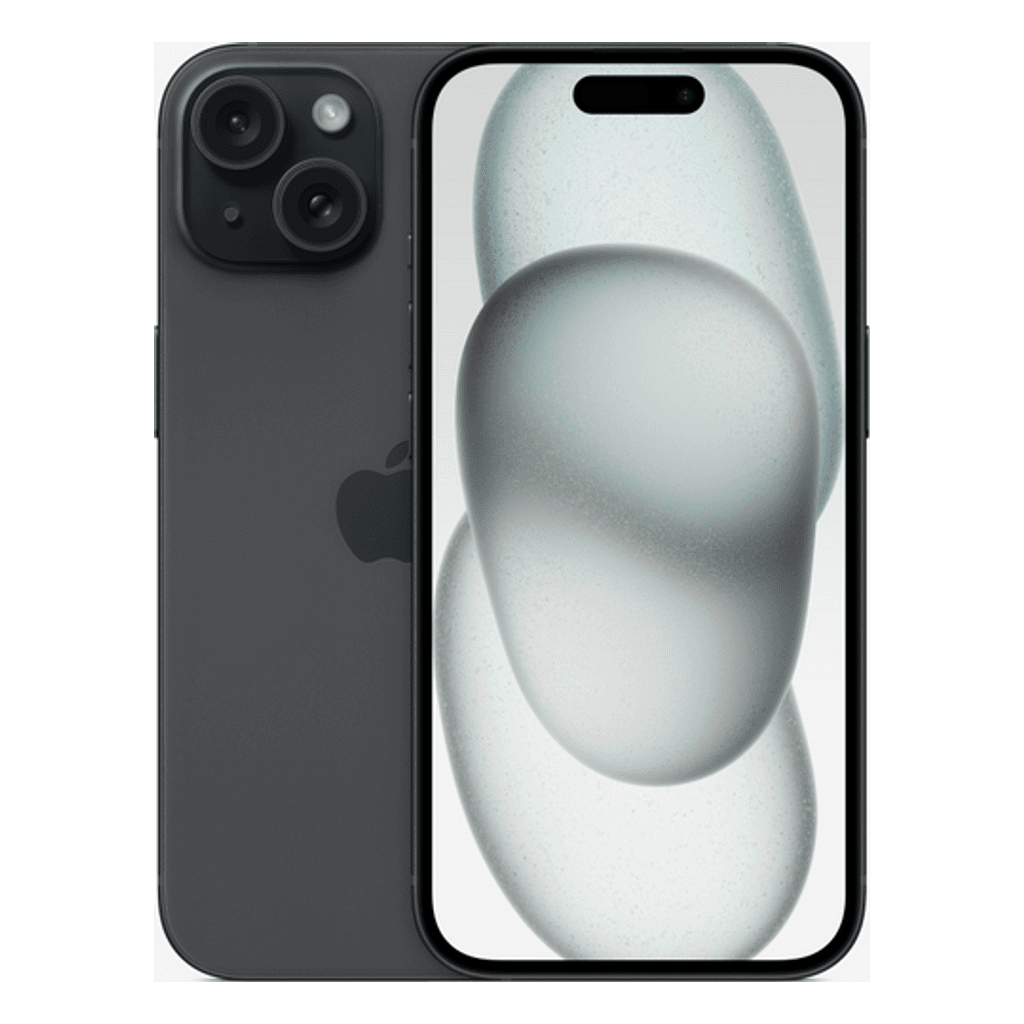
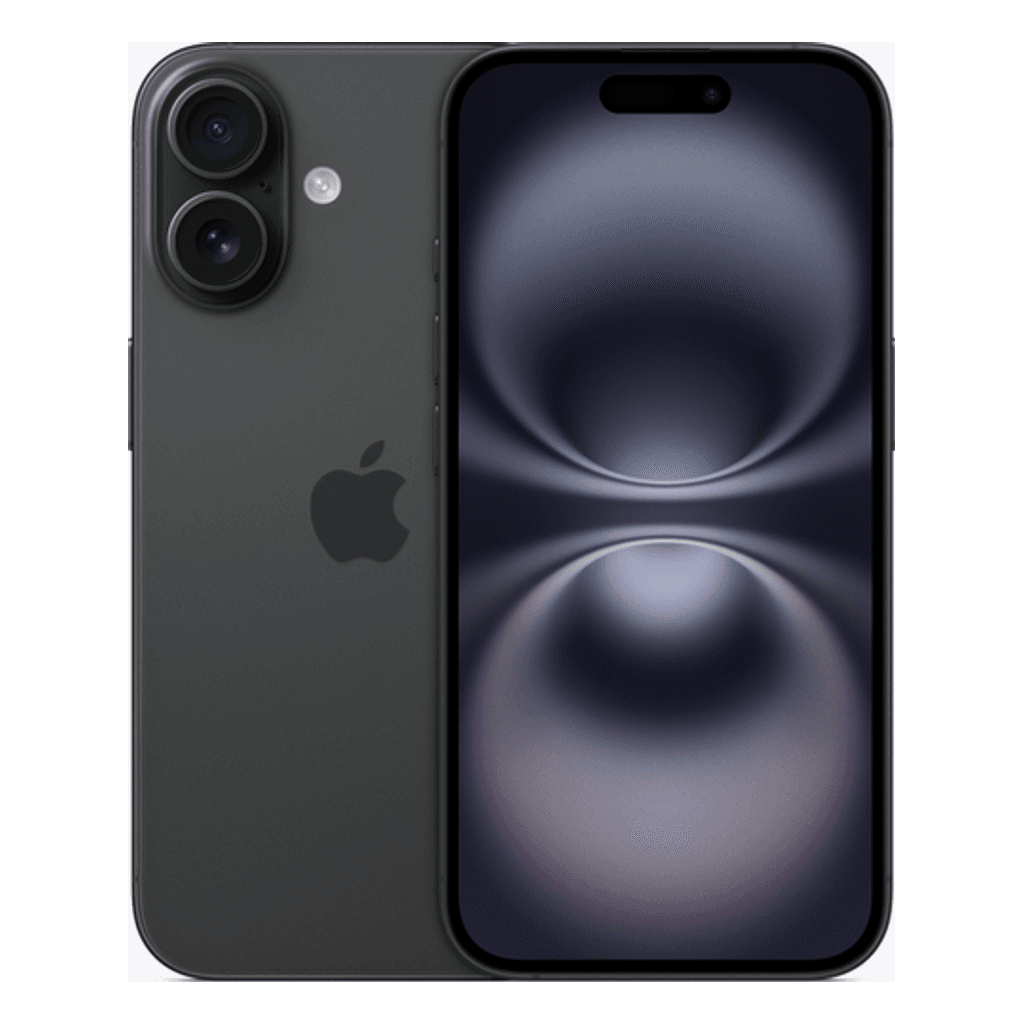
With an iPhone 14 or newer you can choose with us between a device with a SIM tray and a device that only supports eSIM. The latter is an American model and is 8% cheaper with us. The question is whether that discount works out well for you or gets in the way later.
Why does that difference exist?
Since the iPhone 14, Apple has sold only devices without a SIM tray in the United States. In Europe the tray is still there. Technically the devices are otherwise identical: same chip, same screen, same camera.
Because those American models are cheaper to source, we pass that difference on. That is the whole reason the option is there; there is no catch.
When eSIM-only works fine
You are with a large provider. KPN, Vodafone, Odido and most other providers simply supply an eSIM.
You rarely change device or subscription.
You travel and want a local data bundle on the spot. With eSIM you buy it online and activate it within a few minutes, without a shop.
When you want a SIM tray
You have a prepaid card or a smaller provider that doesn't support eSIM. That still happens.
You regularly swap your SIM card between two devices. With a physical card that takes ten seconds; with eSIM you have to transfer it via the provider.
You get a business SIM card from your employer and have no say in the form.
You want to resell the device easily later. A model with a SIM tray appeals to a larger group.
Not sure? Then this is the rule of thumb
Call your provider or check your account to see whether you can request an eSIM, and whether there are costs. If that conversation takes longer than five minutes or you don't get a clear answer, take the model with a SIM tray.
The discount is 8%. That is real money, but not enough to put up with half a year of hassle. If you are sure, go ahead and take it.