As good as new, Very good or Good: which condition should you choose?
The condition only says something about how the device looks, not how it works. That sounds like a sales pitch, but it is literally how we assess it: technically everything has to be one hundred percent in order at every condition, otherwise the device doesn't leave the building.
The three conditions
As good as new — no visible marks, even when you look closely.
Very good — light marks if you look carefully. The screen is flawless.
Good — visible scratches on the casing, technically fully in order.
The same applies to all three: battery at least 85%, 60+ checkpoints completed, 3-year warranty.
What the price difference is in concrete terms
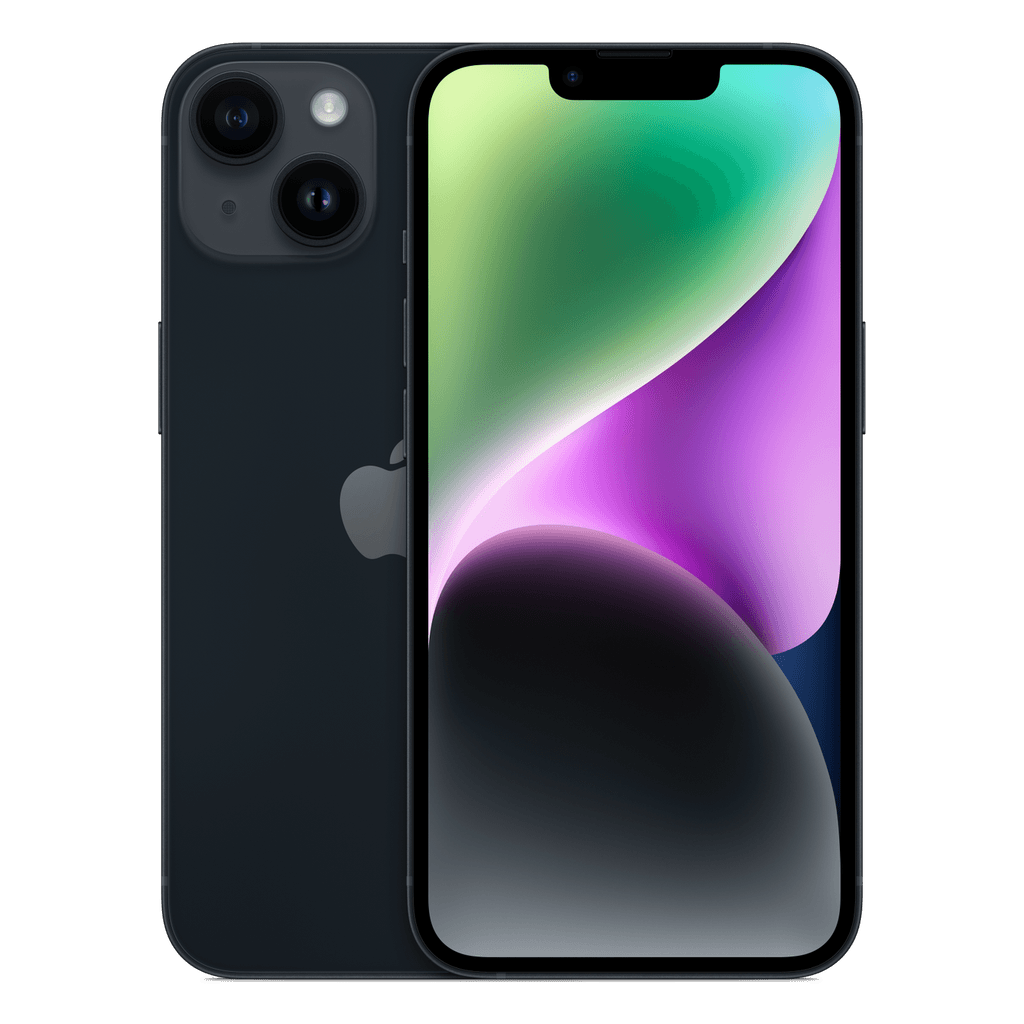
The condition is a percentage of the price, so the difference grows with the device. Take an iPhone 14: Very good is € 329, As good as new € 378, Good € 290.
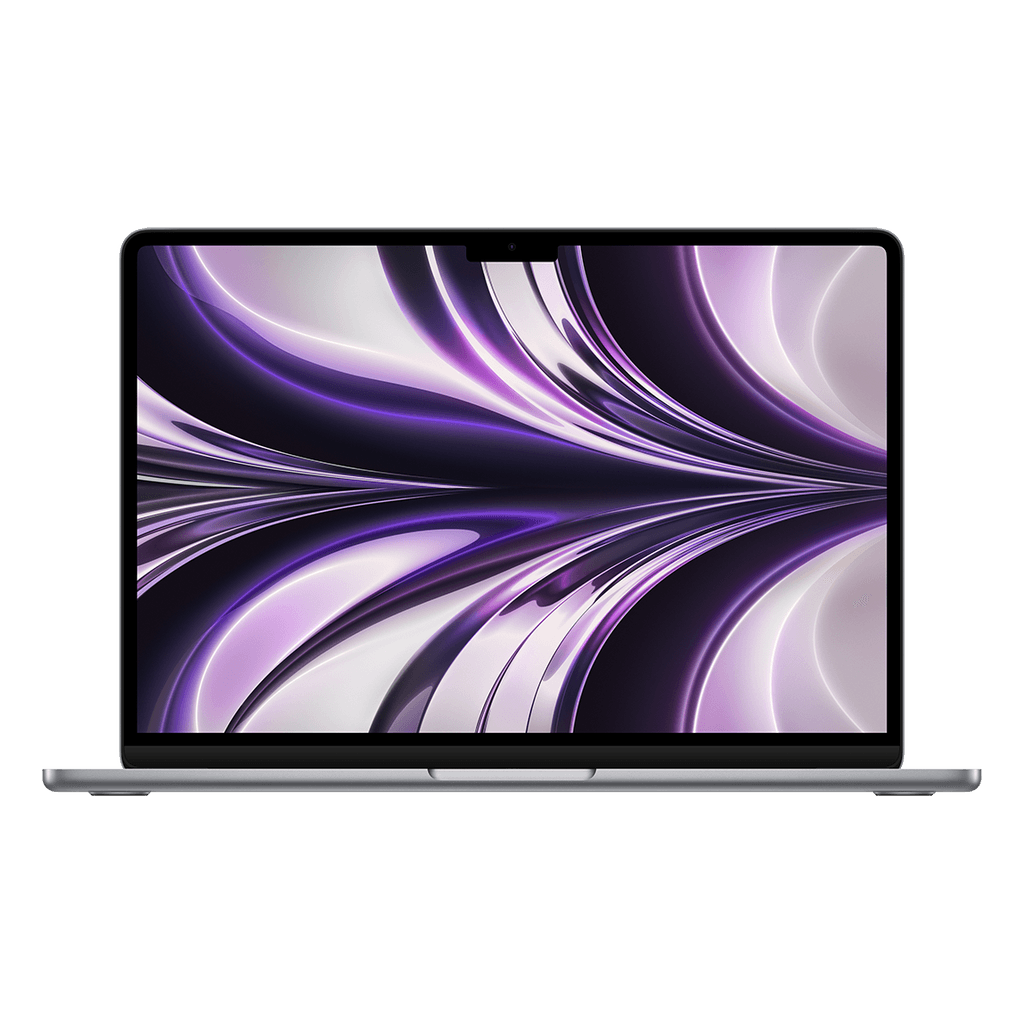
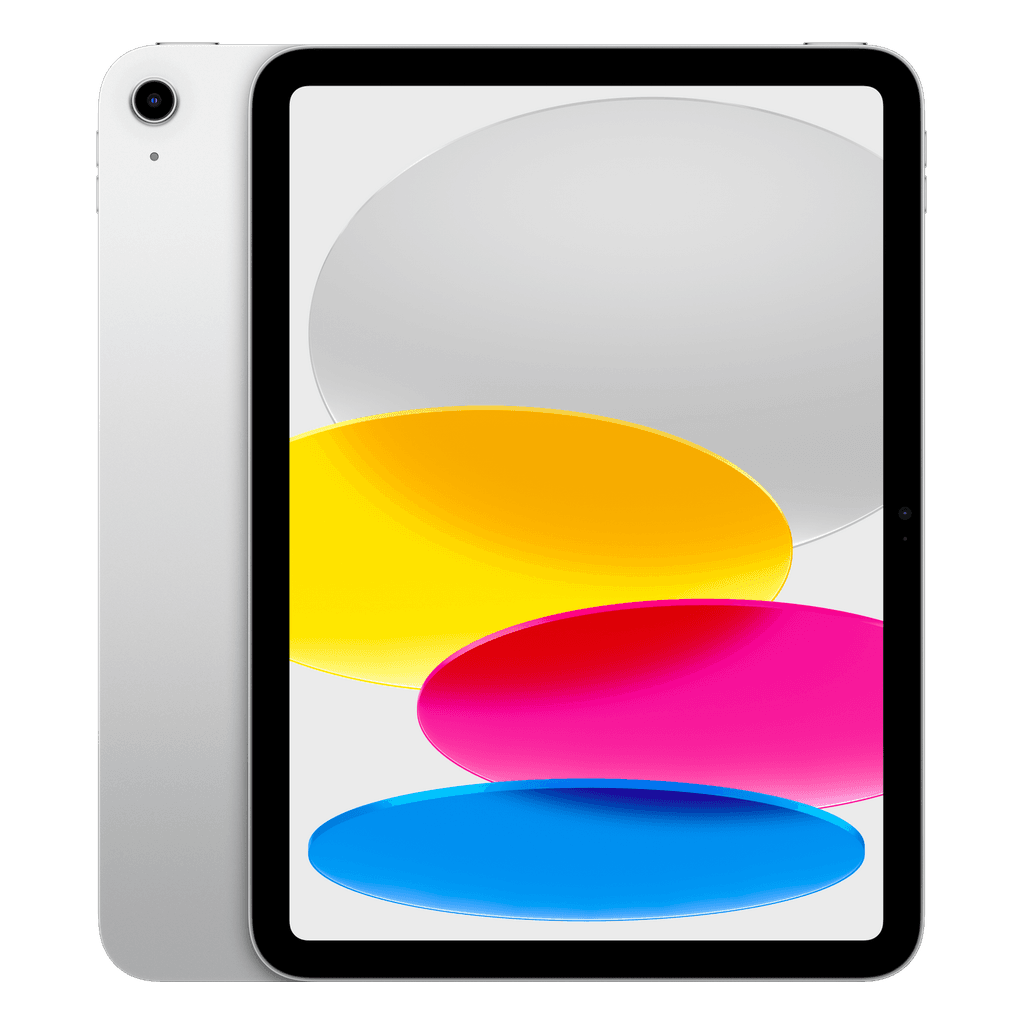
On a more expensive device that difference becomes proportionally bigger. That is exactly where it pays to be honest with yourself about how important a flawless edge is.
Why Good is more often the sensible choice than people think
Most people put a case on their phone within a week. Then you see nothing of the casing, and that is exactly where the scratches are with Good.
The screen is a different story: you look at that all day. That is why we assess it separately, and a device with a damaged screen never leaves as Good anyway.
When you do go for As good as new
It is a gift. Unwrapping a device with a scratch on it feels different, however illogical that is.
You don't use a case.
You want to resell it in two years. Part of what you pay extra now, you get back then.
In short
Choose based on how you use the device, not on how the words sound. With a case, Good is rarely a compromise; without a case, Very good is the safest middle.
And because everything has a 3-year warranty, the condition is never a gamble on reliability, only on appearance.