When does your iPhone really need replacing? The honest checklist
Now that the new generation has been presented, many people are itching: upgrade? Our honest answer as a seller of phones: often you do not need to yet. This is the checklist we use ourselves, including the cases where a small intervention saves a whole device.
Signs that replacing is justified
No more iOS updates — without security updates, banking and logging in get riskier every year. This is the hardest limit.
Apps that no longer cooperate — crashes and 'this app requires a newer version' pile up.
The camera holds you back — you deliberately do not take photos because you know they will not turn out.
Storage permanently full — and you have already deleted everything you could.
Damage that is not worth repairing — a broken screen and a worn battery on a six-year-old device: then replacing wins.
Signs that do not call for a new phone
Battery drains quickly — a battery replacement costs a fraction of a device and makes it like new. First check Settings → Battery → Battery Health.
Slow after an iOS update — give it a few days; indexing is going on in the background.
'It is already three years old' — an iPhone easily lasts five to seven years. Age alone is not a reason.
This is how you upgrade smartly
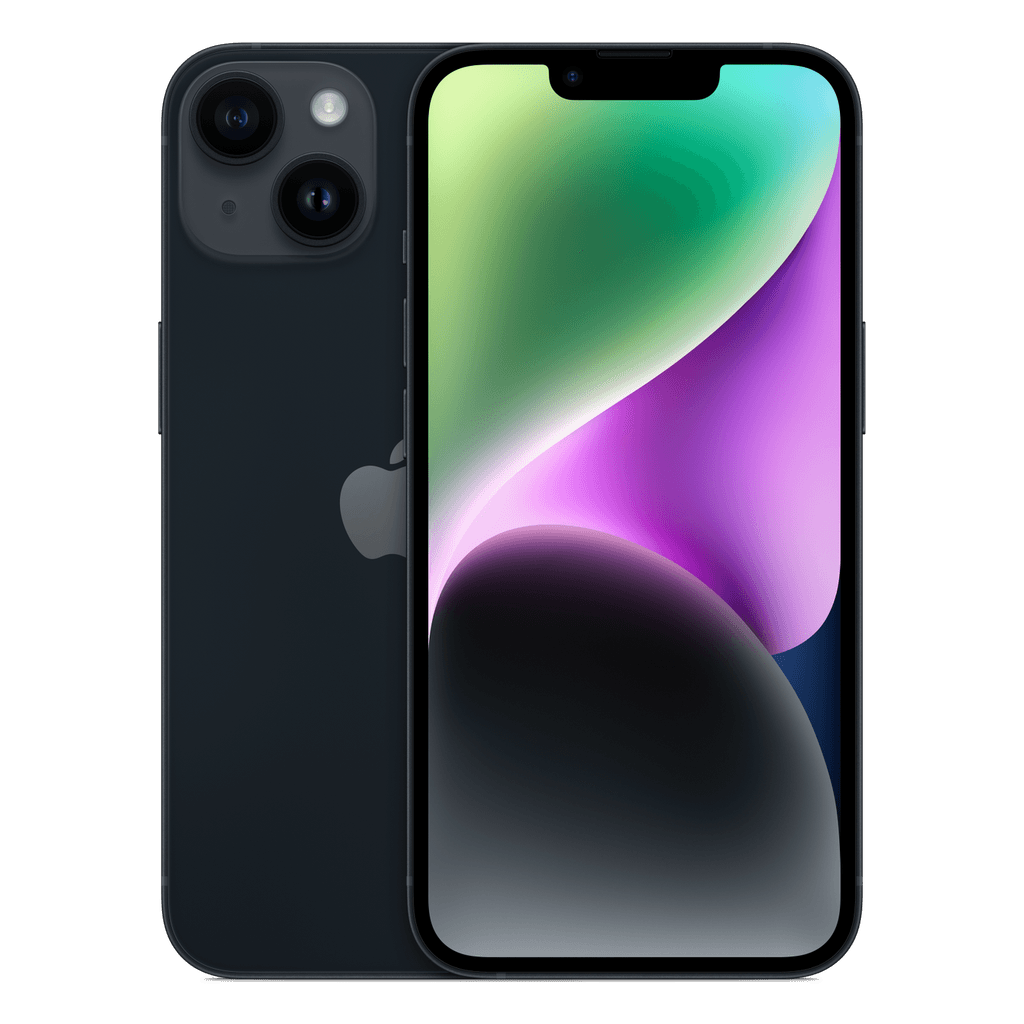
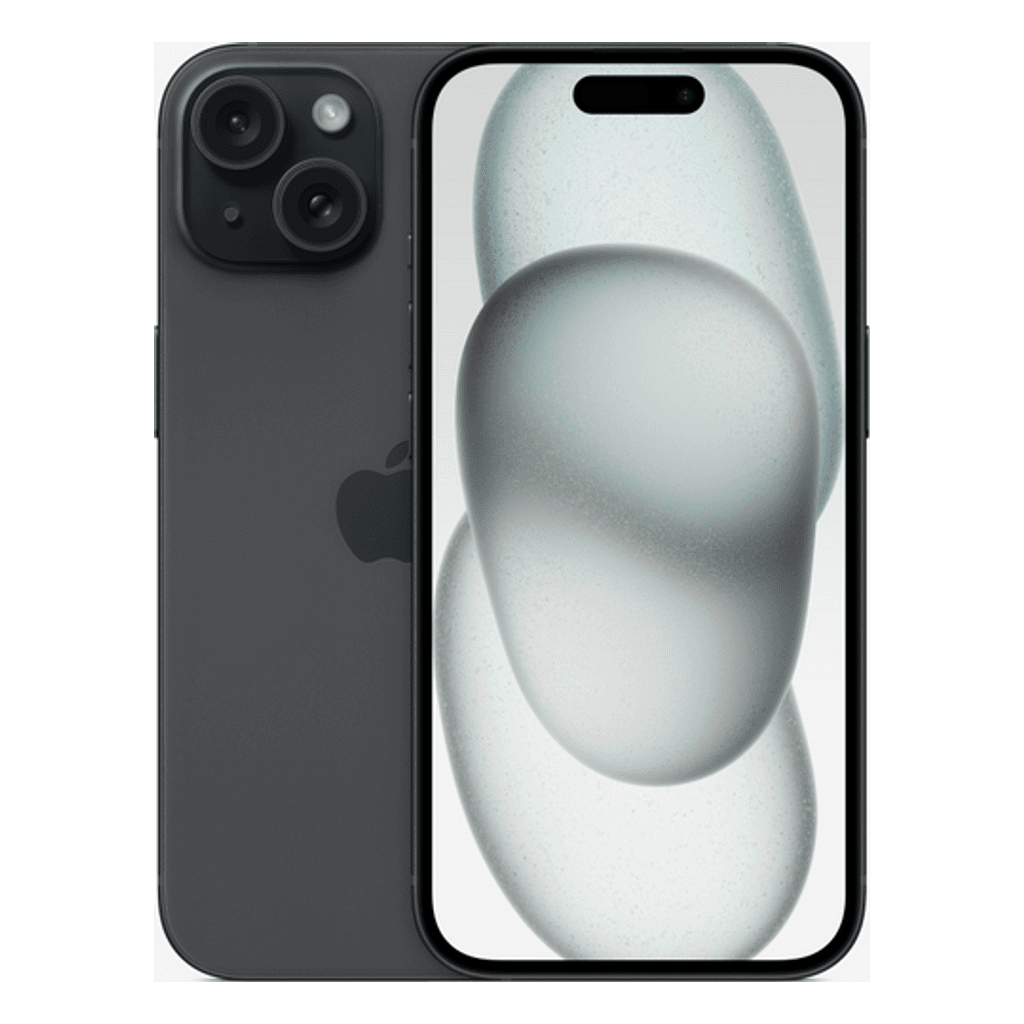
If it has to be: do not automatically jump to the very newest. The biggest jump in value is one or two generations back. A refurbished iPhone 14 (€ 329) or 15 (€ 459) feels like a completely new device coming from an iPhone 11 or 12, for a third of the new price. And your old device? Trade it in, especially now while trade-in values are still good.